

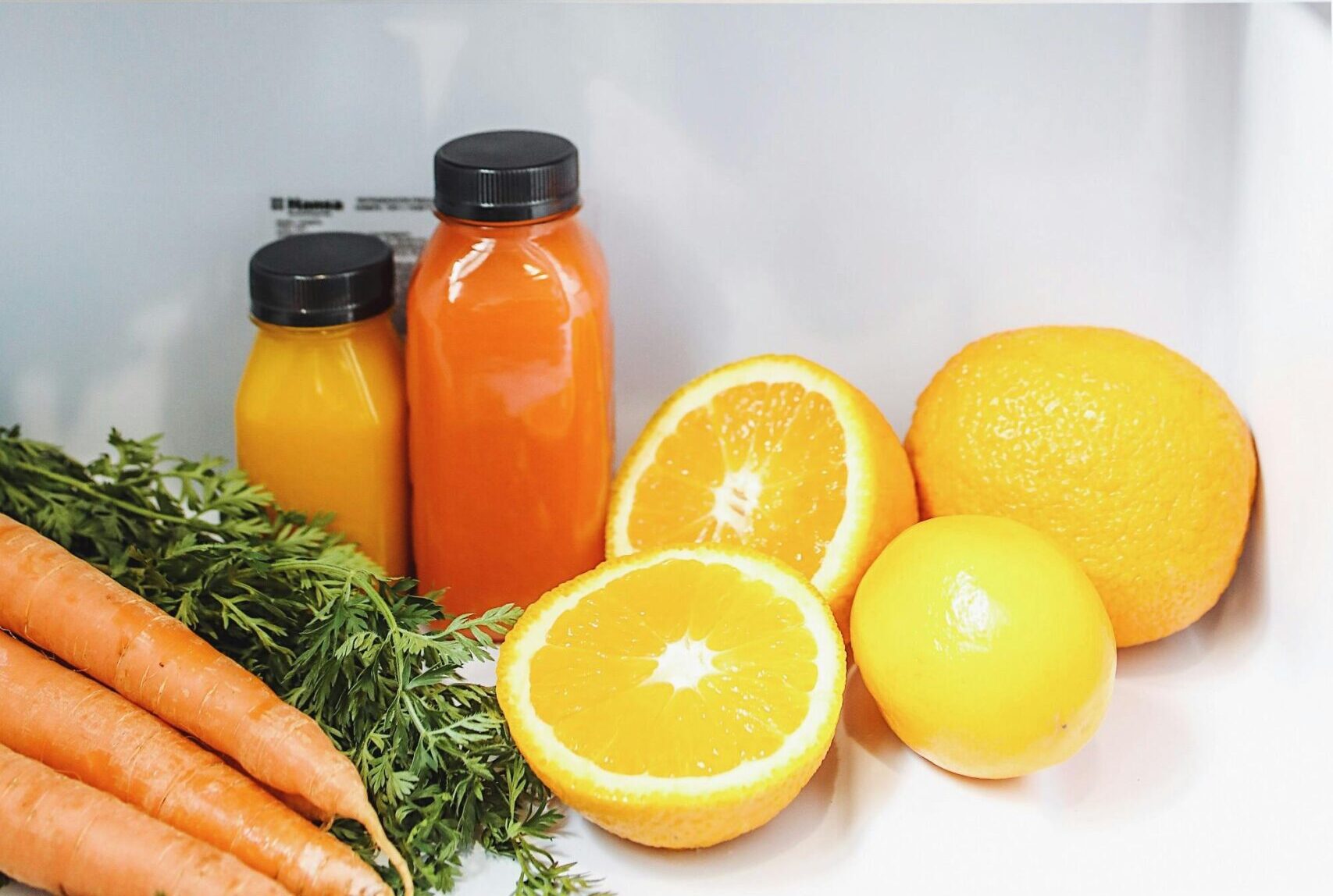
A healthy diet is the foundation of a long, energetic life—and when it comes to natural nutrition, fruits and fruit juices are among the most powerful tools you can include in your daily routine. These colorful gifts from nature are packed with essential vitamins, minerals, antioxidants, and fiber that can significantly improve your overall well-being. Whether eaten whole or consumed in liquid form, fruits and their juices support immunity, digestion, hydration, skin health, and even mental clarity. In this post, we’ll explore the benefits of fruits and juices, how to choose them wisely, and practical tips to make them a regular part of your diet.
Why Fruits Are Essential for Health
Fruits are nutritional powerhouses. They are naturally low in calories, rich in fiber, and provide vital nutrients such as:
- Vitamin C (boosts immunity, improves skin health)
- Potassium (supports heart and muscle function)
- Folate (aids in cell repair and red blood cell formation)
- Antioxidants (fight free radicals and reduce inflammation)
Regular consumption of fruits has been linked to a reduced risk of chronic diseases such as heart disease, stroke, diabetes, and some forms of cancer. The fiber in whole fruits helps regulate digestion, keeps you full longer, and stabilizes blood sugar levels.
The Role of Fresh Juices
Fresh fruit juices are a delicious and convenient way to increase your fruit intake. While they don’t contain as much fiber as whole fruits, they can still provide a high concentration of vitamins, minerals, and antioxidants.
Juices are especially useful for:
- Hydration: They help replenish fluids, especially after exercise or during hot weather.
- Detoxification: Many juice blends include ingredients like lemon, beetroot, or celery that support the liver and help flush out toxins.
- Nutrient Boost: For people with digestive issues or poor appetite, juices offer an easy way to absorb nutrients quickly.
However, it’s important to consume 100% natural juices without added sugars. Store-bought juices often contain preservatives, artificial flavors, and high sugar levels, which can undermine the health benefits.
Top 10 Fruits to Include in Your Diet
Here’s a list of fruits that provide a wide range of nutrients and are perfect for both eating whole and juicing:
- Apples – High in fiber and vitamin C, apples are great for heart and gut health.
- Bananas – Rich in potassium and great for sustained energy.
- Berries (blueberries, strawberries, raspberries) – Packed with antioxidants and known for their anti-aging and brain-boosting benefits.
- Oranges – A top source of vitamin C, perfect for immunity and skin health.
- Mangoes – Contain enzymes that support digestion and are rich in vitamin A.
- Pineapple – Anti-inflammatory and supports digestion due to the enzyme bromelain.
- Grapes – Help heart health due to high levels of polyphenols and resveratrol.
- Pomegranates – Promote blood circulation and have powerful antioxidant properties.
- Papaya – Great for digestion and skin health due to vitamin A and digestive enzymes.
- Watermelon – Hydrating and rich in lycopene, a powerful antioxidant.
Smart Juicing Tips
While juicing can be incredibly healthy, doing it the right way matters. Here are some smart tips:
- Use whole fruits (with skin when possible) to maximize nutrients.
- Limit high-sugar fruits like grapes and bananas when juicing; balance them with lower-sugar options like cucumber, celery, or lemon.
- Drink fresh juice immediately to get the most benefits before nutrients oxidize.
- Combine fruits with veggies (like spinach or kale) to boost the nutritional value and keep sugar levels moderate.
- Avoid adding sweeteners—fruit alone is sweet enough.
Smoothies vs. Juices
Both smoothies and juices have their place in a healthy diet:
- Smoothies retain all the fiber from the fruit and can be more filling.
- Juices are easier to digest and more concentrated in nutrients per sip.
If you’re trying to replace a meal or stay full longer, go for a smoothie. If you want a quick nutrient boost or a refreshing drink, opt for juice.
How to Incorporate More Fruits and Juices Into Your Daily Diet
If you’re not already eating enough fruits, here are a few simple ways to add them to your routine:
- Start your day with fruit: Add berries to your oatmeal or have a banana with peanut butter.
- Snack on fruit instead of chips: Keep cut-up melon, apples, or grapes in the fridge for easy access.
- Replace sodas with fresh juice: Make your own orange, pomegranate, or apple juice at home.
- Make fruit smoothies for breakfast: Blend banana, spinach, berries, and almond milk for a delicious and filling start to your day.
- Add fruits to your salads: Try apple slices in a green salad or mango in a quinoa bowl.
Cautions and Considerations
While fruits and juices are healthy, moderation is key:
- Too much fruit (especially in juice form) can lead to excess sugar intake.
- Diabetics should choose lower-glycemic fruits like berries, green apples, or pears and always pair fruit with a source of protein or fat to balance blood sugar.
- Pre-packaged fruit juices often contain more sugar than soda—always read labels or make juice at home.
Final Thoughts
Fruits and natural juices are some of the easiest, tastiest, and most effective ways to improve your health naturally. They help nourish your body, protect against disease, and keep your energy levels stable throughout the day. By making fresh fruits and juices a regular part of your meals and snacks, you’re not just enjoying their delicious flavors—you’re fueling your body with some of the best nutrition nature has to offer.
So, whether you’re biting into a crisp apple or sipping on a freshly blended green juice, remember: nature’s sweetest medicine is often found in the fruit bowl or your juice glass.